
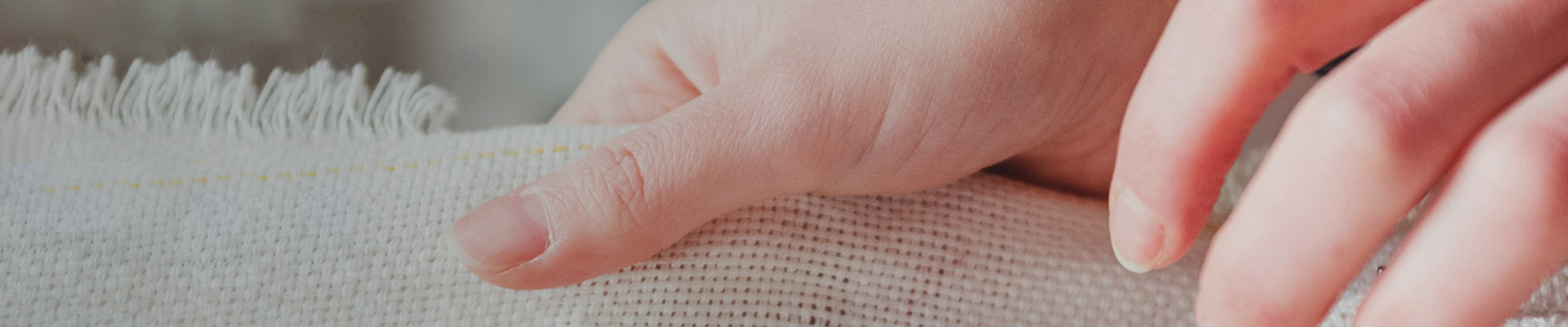
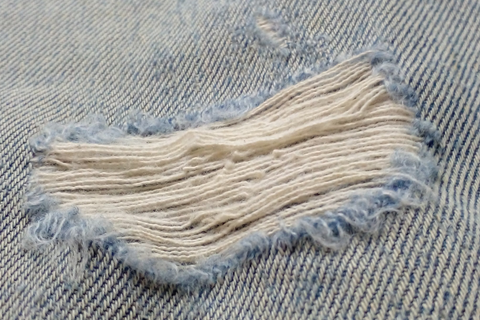
Physical Testing covers parameters such as fabric tensile strength, tear strength, seam performance, pilling resistance, tensile load, dimensional change after washing, seam slippage, and colorfastness to washing. These tests evaluate the material‘s mechanical properties and durability through standardized methods including stretching, abrasion, and laundering.
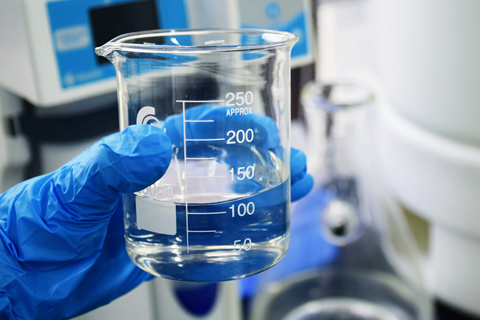
Chemical Testing includes items such as azo dyes that can decompose to release aromatic amines, formaldehyde content, pH value, and dichloromethane soluble matter. Qualitative and quantitative analyses of harmful chemical substances and physicochemical parameters in textiles are conducted through methods such as extraction, reduction, chromatographic analysis, and instrumental measurement.

Safety Testing includes items such as flammability, azo dyes that can release harmful aromatic amines, and formaldehyde content. It evaluates the safety performance of textiles in terms of flame resistance and the release of hazardous substances through methods such as simulated ignition, chemical extraction, and analysis.
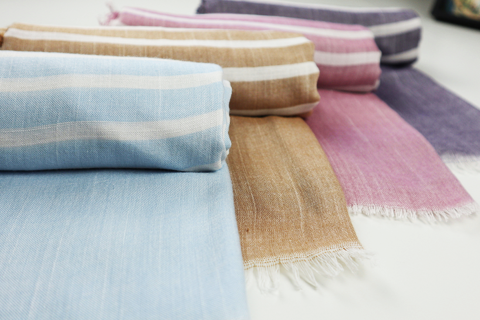
Functional testing covers waterproofing, easy cleaning, oil repellency, UV resistance, and wear resistance. By simulating testing methods such as spraying, stain cleaning, liquid contact, light exposure, and friction under actual usage conditions, the performance of textiles in specific functional performance aspects is evaluated.