
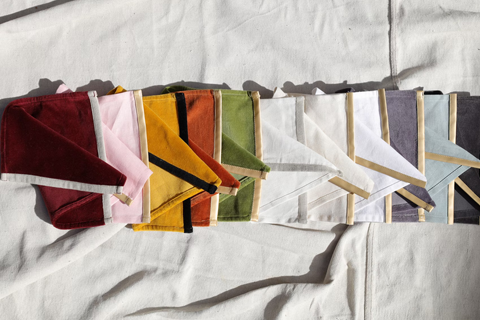
GB 31701 Compliance Testing for Children's Apparel Safety covers items such as colorfastness to water, colorfastness to saliva, tensile strength of attachments, formaldehyde content, pH value, and flammability. Through methods simulating real-use conditions including immersion, pressure application, drying, and physicochemical analysis, it comprehensively evaluates the safety and durability of textiles.
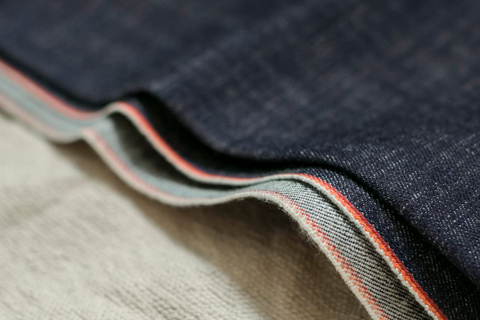
GB 18401 Compliance for Textile Products Safety covers items such as colorfastness to perspiration, colorfastness to rubbing, formaldehyde content, pH value, colorfastness to water, colorfastness to saliva, and odor, comprehensively evaluating the colorfastness and safety performance of textiles through methods that simulate real-use conditions, including immersion, abrasion, and chemical analysis.

Textile/Fabric Composition Analysis primarily includes natural fibers (such as animal, plant, and mineral fibers) and chemical fibers (including regenerated fibers, synthetic fibers, and inorganic fibers). By identifying their origin and structure, the raw material composition of textiles can be accurately determined.

Common Physical and Chemical Single-Item Testing for Textiles and Apparel include tensile properties, seam slippage resistance, dimensional change after washing, pilling resistance, colorfastness to rubbing, formaldehyde content, pH value, and azo dyes that may release carcinogenic aromatic amines. These tests evaluate the physical performance and chemical safety of textiles using standardized mechanical, chemical, and colorfastness testing methods.
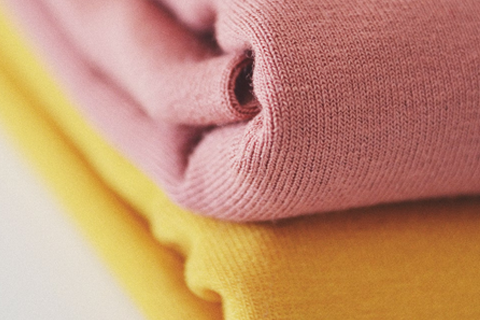
Safety and Functional Testing for Textiles and Apparel includes items such as UV protection, abrasion resistance, water resistance, soil release, oil repellency, formaldehyde content, and pH value. It comprehensively evaluates the functional characteristics and safety performance of textiles through methods that simulate real-use conditions, including exposure to light, wear, liquid contact, and chemical analysis.

Safety Testing for infants' and children's clothing covers items such as residual metal needles, sharpness of attachments, lengths of cords and cord loops, formaldehyde content, pH value, colorfastness to water, colorfastness to saliva, tensile strength of attachments, and flammability. Through physical testing and chemical analysis methods, it ensures that garments meet strict standards for use safety and material quality.
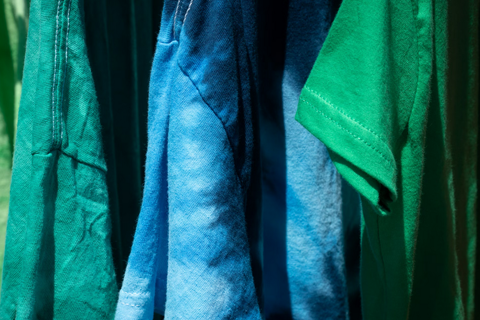
Quality Testing for Adult Apparel includes items such as colorfastness to washing, fiber content analysis, formaldehyde content, pH value, azo dyes that may release harmful aromatic amines, dimensional change after washing, pilling, and seam slippage, ensuring that the durability and safety of garments meet standard requirements through physical performance testing and chemical composition analysis.
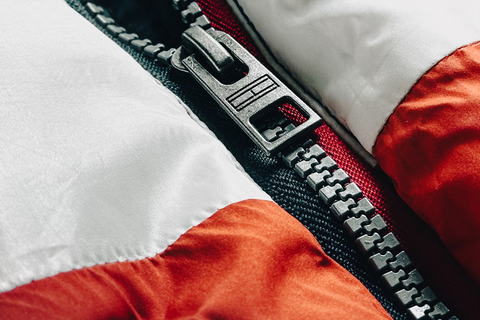
Down Products / Garments Testing Items include fill power, down-proof property, composition analysis, loft, oxygen consumption, turbidity, fiber content, formaldehyde content, pH value, azo dyes that may release carcinogenic aromatic amines, seam performance, and appearance quality, comprehensively evaluating their filling quality, safety performance and overall quality through methods such as physical performance testing, chemical analysis and sensory assessment.
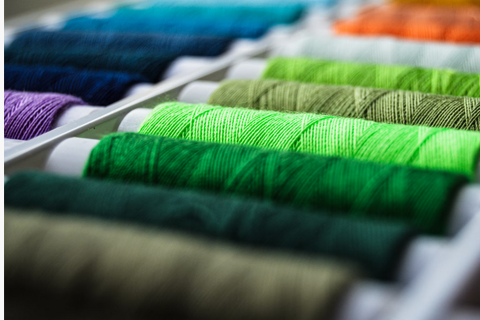
ISO, EN ISO standards

GB/T 18401, GB/T 31701, project-specific standards, etc.

GB/T 18401, GB/T 31701, project-specific standards, etc.